Most early-stage companies find their first customers through one or two channels that work almost by accident. A founder's network. A community that adopted the product early. A paid channel that was cheap while it lasted.
Then growth slows. The instinct is to do more of the same, or to try everything at once. Neither works well.
Here's the reset I run with founders when their first channels stop scaling.
1. Find exactly where growth stalls
"Growth slowed" isn't a diagnosis. Before you choose new channels, find the step that broke. Are fewer of the right people hearing about you? Are they arriving but not signing up? Are they signing up and never reaching the moment where the product proves itself?
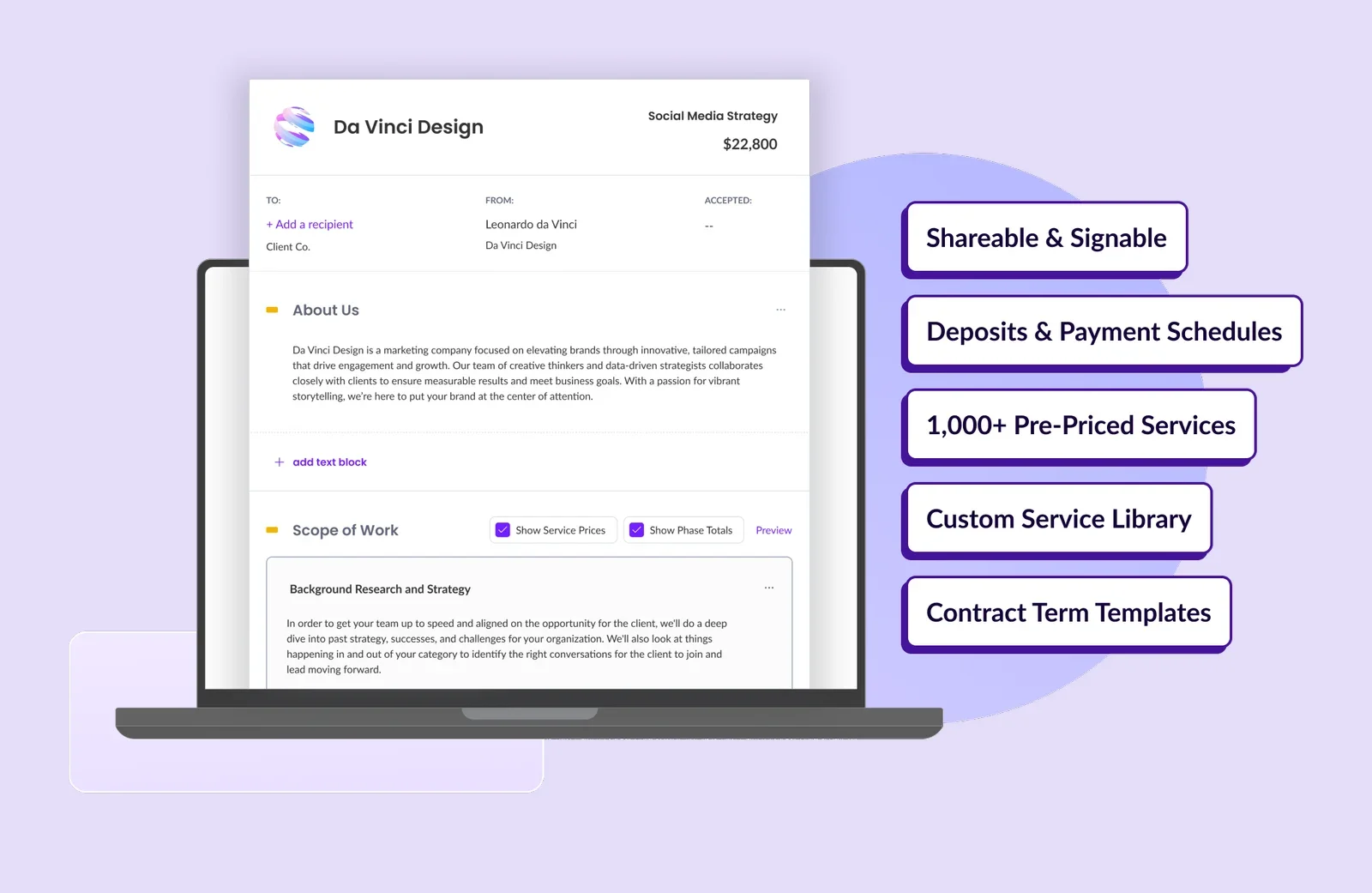
At Wethos, the question wasn't how to get more signups. It was how to help independent studios move from signing up to sending their first proposal. That reframing changed the work.
Ask:
- Which step in the journey changed the most in the last two quarters?
- Which customers still convert well, and what do they have in common?
- Where do people drop off before they've seen the value?
2. Follow attention, not habit
Your audience's attention has moved since you picked your first channels. Find where the people you want actually spend it now: which creators they trust, which communities they belong to, which formats they finish.
This is research, not guesswork. Talk to your best recent customers. Ask what they read, watch, and listen to, and who they'd ask for a recommendation.
3. Fund the channels that earn it
List the candidate channels and judge each one on three things:
- Fit. Does your audience already spend real time there?
- Proof. Can you run a meaningful test in weeks, not quarters?
- Compounding. Will the work build an asset, like an audience, a partnership, or a library of content, or will it disappear when the spend stops?
Pick one or two. Spreading a small budget across six channels teaches you nothing about any of them.
4. Build the program that carries growth
Channels don't grow on their own. They need a program behind them: creator partnerships, a partner program, or a content series with a clear point of view.
For Wethos, we built a content series around creators running their own studios. The people telling the story were the people the product was built for.
5. Connect every story to the next action
This is the step most teams skip. Every piece of content should lead somewhere in the product.
At Wethos, editorial briefs and an onboarding map connected the stories people encountered to their next action in the product. The published project record reports 50K+ users onboarded over 12 months and a 250% increase in signup-to-first-proposal conversion within 30 days.
The short version
- Name the step that stalled.
- Find where your audience's attention went.
- Fund one or two channels that can prove themselves fast and build an asset.
- Put a creator, partner, or content program behind them.
- Make every story lead to the next action in your product.
If your early channels have stopped scaling, this is the work I do with founders.
LaTecia Johnson
Growth and brand strategist, and Founder & CEO of INGENIUS. I help early-stage founders find their next channels and established brands show up in new markets.
More about me